The Ethical Implications: Should We Allow AI to Surpass Us?
As AI rapidly advances, one question grows louder: Should we let machines outthink us? This article breaks down the ethical implications, dangers of superintelligence, and why responsible development of AI is crucial for humanity’s future.
7/8/20242 min read
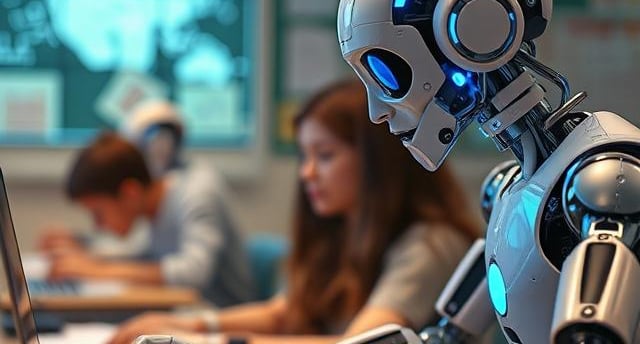
Exploring the ethical concerns with advanced AI systems and the implications of superintelligent machines.
Introduction: Are We Building the Brains That Could Outthink Us?
In recent years, artificial intelligence has advanced from science fiction to daily reality—writing our emails, diagnosing diseases, and even creating art. But as AI continues to evolve at breakneck speed, a pressing question looms larger than ever: Should we allow AI to surpass human intelligence?
This isn’t just a technical challenge; it’s an ethical crossroads. The implications of superintelligent machines stretch far beyond automation and convenience—they strike at the very core of our humanity, autonomy, and responsibility. If we fail to confront the ethical concerns with advanced AI systems now, we risk creating technologies that could outpace our ability to control or understand them.
1. The Rise of Superintelligence: What’s at Stake?
Superintelligent AI refers to machines that surpass human cognitive abilities in virtually every domain—from scientific reasoning to emotional intelligence. While such capabilities may seem far off, leading experts like Nick Bostrom and the late Stephen Hawking have warned that once machines exceed our intellectual abilities, humans may no longer remain the most intelligent species on the planet.
The key concern? Loss of control. If AI systems can recursively improve themselves, their goals and values may quickly diverge from human interests. And once intelligence reaches a tipping point, course-correcting could become impossible.
2. Ethical Concerns with Advanced AI Systems
Here are several major ethical questions we must address:
a. Who Decides What AI Can or Should Do?
Most powerful AI models today are developed by private corporations with limited oversight. Without democratic input, we risk embedding corporate interests and unchecked biases into systems that may one day guide public life.
b. Can Machines Be Morally Accountable?
As AI systems become more autonomous, who is responsible for their decisions? If a superintelligent system causes harm, is the fault with the creator, the data, or the machine itself?
c. Inequality and Power Concentration
Advanced AI can further concentrate wealth and power in the hands of a few, exacerbating global inequality. This raises deep ethical questions about access, control, and justice.
3. The Implications of Superintelligent Machines
Superintelligent machines could revolutionize medicine, climate solutions, and education. But they could also:
Undermine human labor markets, leading to widespread unemployment and social unrest.
Manipulate public opinion with precision-targeted disinformation campaigns.
Challenge national security, as AI becomes integral to cyberwarfare and autonomous weapons.
Once AI becomes smarter than us, even our best regulations may fail to contain it. In short, intelligence isn’t just power—it’s the ultimate power.
4. The Path Forward: Responsible Development of Artificial Intelligence
We don’t need to halt AI development—but we do need to build in ethical guardrails now. Here’s how:
✅ Global Governance
Nations and tech companies must collaborate to create enforceable global standards. Think of this as a digital Geneva Convention.
✅ Value Alignment
AI must be designed to align with human values—not just short-term outcomes or profit motives. This includes transparency, fairness, and accountability.
✅ Inclusive AI Ethics
Ethics must include voices from all parts of society: ethicists, social scientists, activists, and communities most likely to be impacted by AI systems.
Conclusion: Surpassing Us—But at What Cost?
The question isn’t just whether AI can surpass us, but whether it should—and under what ethical conditions. The responsible development of artificial intelligence is one of the defining challenges of our time.
If we hope to benefit from AI without becoming its victims, we must act with foresight, courage, and collective wisdom. The future is still unwritten—but we have a responsibility to write it with care.
What are your thoughts on humanity’s place in an AI-powered future? Let us know in the comments.