How Much AI Should Be Involved in Parenting? Balancing Innovation with Intuition
So, how much AI is too much in parenting? And where should we draw the line between assistance and overreliance? Let’s explore the benefits, the boundaries, and the questions every parent should consider before letting AI into the nursery or the family room.
7/17/20252 min read
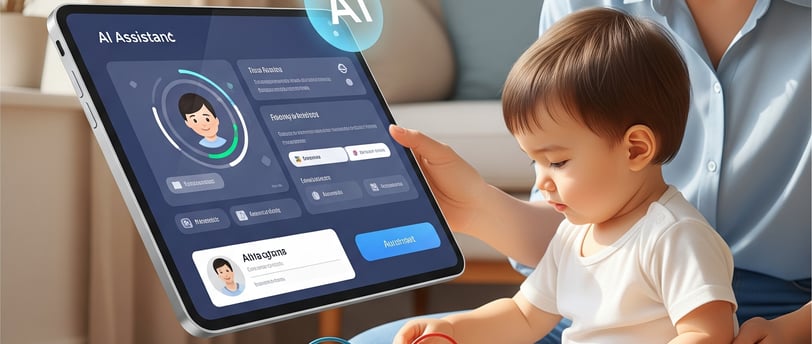
In the age of smart assistants, machine learning, and predictive algorithms, AI has entered nearly every domain of our lives—including how we raise our children. From baby monitors that analyze sleep patterns to chatbots that help with homework, parenting today looks very different from just a decade ago. But with great technology comes great responsibility.
The Rise of AI in Everyday Parenting
AI is no longer confined to tech labs or corporate boardrooms. It's in our homes—often marketed as the solution to every modern parenting challenge. Some common applications include:
Smart baby monitors that track sleep and breathing
Educational apps that personalize learning
Digital assistants (like Alexa or Siri) that help with reminders or entertainment
Parental control tools that use AI to detect inappropriate content or screen time abuse
AI-based scheduling apps for family calendars and logistics
These tools are designed to make life easier. And often, they do. But convenience isn’t the same as effectiveness—or appropriateness.
The Pros: Where AI Can Help
Efficiency and Organization
AI tools can manage calendars, send medication reminders, and streamline daily routines. For busy parents, this can reduce mental load and increase consistency.Early Warnings and Monitoring
Some AI-powered devices offer real-time alerts for breathing irregularities, fevers, or unusual sleeping patterns. While not a replacement for medical care, they can give peace of mind.Personalized Learning
AI-driven educational platforms adapt to a child’s pace, helping identify areas of struggle and progress. This can complement traditional schooling or homeschooling efforts.Content Filtering
Parental control AI can flag harmful content or cyberbullying, giving parents more visibility into what children experience online.
The Cons: Where AI Falls Short
Loss of Human Connection
No matter how advanced, AI can't replicate the empathy, intuition, and emotional nuance of a parent. Outsourcing too much may weaken the parent-child bond.Bias and Inaccuracy
AI systems are only as good as the data they’re trained on. Misinterpretations or false alarms can lead to unnecessary worry—or worse, complacency when something is truly wrong.Privacy Concerns
Many AI tools collect sensitive data about children. Who has access to that data? How is it stored? What happens if it’s breached?Overreliance
Relying too heavily on AI can undermine parental instincts. It might make decisions easier, but it also might prevent children from learning resilience, problem-solving, and coping skills.
The Ethical Questions to Ask
Before bringing AI into your parenting toolbox, consider:
What problem is this tool solving?
If it's simply replacing a moment of connection or effort, it might not be worth it.Is it age-appropriate and transparent?
Not all AI is designed with children’s developmental needs in mind. Be cautious with tools that don't disclose how they work or what data they collect.Can I explain to my child how this tool works and why we’re using it?
If the answer is no, the tool may be too opaque or too invasive.
Guidelines for Healthy AI Use in Parenting
Use AI to support, not replace, parenting. Let it help with routines or information, but keep human presence at the center.
Stay involved. Even with content filters, engage regularly with your child’s online activity and conversations.
Prioritize transparency and consent. Where possible, choose AI tools that let you opt in or out of data sharing, and discuss privacy with older children.
Balance screen time with real time. Smart tools are helpful, but nothing replaces face-to-face play, conversation, and shared experiences.
Final Thoughts: Parenting in a Smart Age
There’s no doubt that AI will play an increasing role in how we live—and parent. The key is intentionality. Embrace tools that genuinely ease burdens or support learning, but resist the temptation to automate every aspect of parenting.
Technology can be a helpful assistant, but it should never replace the heart, attention, and presence that only a human parent can offer.